

Taboan Public Market In Cebu: Complete Guide To Dried Fish, Pasalubong, Prices & Hours (2026)
Taboan Public Market is Cebu’s dried fish capital, and the smell arrives before the stalls appear. The sharp, salty aroma of danggit and buwad hangs in the air as tricycles and jeepneys pull up, a clear sign that pasalubong is close.
Inside, piles of danggit, dried squid, and glossy dried mangoes fill every corner, along with otap and other Cebuano treats. Prices here are usually 30–50% lower than in malls or airport shops. Many locals say a Cebu trip feels incomplete without passing by Taboan Public Market.
“If your luggage doesn’t smell a bit like dried fish, were you really in Cebu?” is a running joke among regular Taboan shoppers.
At Southpole Central Hotel on 29 Junquera Street, we are about a fifteen‑minute tricycle ride from Taboan. This guide shares what to buy, 2026 prices, market hours, and simple directions so a visit fits neatly into any Cebu stay.
Key Takeaways
A quick look at these points makes planning a stop at Taboan Public Market much easier, especially when staying near downtown Cebu.
- Taboan Public Market is close to Cebu City Medical Center, right in Cebu City. Drivers know this landmark well, so it is easy to explain the Taboan market location.
- Taboan Public Market runs daily from around 4 AM to 8 PM. Weekday mornings are calmer, and stalls have fresh stock before the heat builds.
- The star product is danggit, Cebu’s famous dried rabbitfish. Expect the Cebu danggit market price here to be around ₱400–₱500 per kilo.
- Other popular finds include dried squid, dried mangoes, otap, and other Cebuano snacks. Inside Taboan Public Market it is simple to fill one bag with fish and another with sweet treats.
- Typical Taboan market prices stay 30–50% below mall and airport shops. That means the same pasalubong budget buys far more pieces for family and friends.
- Friendly haggling is normal at this dried fish market in Cebu. A simple smile and the phrase “Pwede pabawas” often brings a small discount.
- From Southpole Central Hotel, a tricycle ride takes about fifteen minutes and costs around ₱50–₱80. This makes quick side trips to Taboan Public Market very practical.
- Most stalls still prefer cash over GCash or cards. Bringing small bills keeps payments fast and avoids waiting for change.
What Is Taboan Public Market
For first‑time visitors, Taboan Public Market in Cebu can feel like the center of the island’s food life. It is Cebu City’s best‑known dried fish market and the top pasalubong stop for both locals and visitors who want real flavors to bring home. When people ask where to buy danggit and dried mangoes at good prices, most Cebuanos mention Taboan first.
Pasalubong is a strong Filipino habit of bringing small gifts to family, friends, and even co‑workers after a trip. Instead of buying in air‑conditioned malls, many choose this busy stretch of Taboan Public Market in Cebu because they get more items for the same budget. Bags from Taboan Public Market often end up feeding several households back in Manila, Davao, or even abroad.
The market is famous for buwad, the Cebuano word for dried seafood. Stalls display mountains of salted fish and squid, with danggit from Bantayan Island as the star. This supply chain makes the Taboan Public Market Cebu area feel like the final stop of a long line from fishing boats to frying pan.
At the same time, this Taboan pasalubong center is a one‑stop shop. Beside the dried fish you find dried mangoes, otap, rosquillos, local sausages, fresh fruits, vegetables, and regular market goods. Many Cebu residents still do part of their weekly shopping here because prices stay lower than in SM, Ayala, or the airport souvenir zone.
Compared with a mall, the experience at this dried fish market in Cebu is loud, crowded, and full of strong smells, but it is also warm and family‑friendly. Kids walk between stalls, parents test prices, and tourists learn to haggle with a smile. For many guests at Southpole Central Hotel, that mix of daily life and pasalubong hunting is exactly why Taboan Public Market is worth a visit.
As one Cebuano vendor often tells visitors, “If you want to understand how we eat, start in Taboan.”
Location, Hours, And How To Get There
Taboan Public Market sits in the older part of Cebu City, not far from the usual tourist routes. The easiest landmark to remember is Cebu City Medical Center, since the market lies in the blocks around it. The official Taboan Public Market address is bounded by Tres de Abril, Lakandula, B. Aranas, and T. Padilla Streets, making it simple to find on most map apps and to point out to any taxi driver.
From Southpole Central Hotel, the distance to Taboan Public Market Cebu is about 2.5 kilometers. Travel time depends on traffic, but it usually feels more like a short hop than a full trip. Many guests add the stop either before a city tour or on the way back to the hotel in the late morning.
Taboan Public Market opening hours start very early, around 4 AM, and run until the Taboan market closing time at about 8 PM. The sweet spot for most shoppers is weekday mornings between 6 and 9 AM, when new stock has arrived, heat is lower, and crowds are still light. Saturday mornings and days just before big holidays can be very busy, with narrow aisles full of people buying in bulk.
For those wondering how to go to Taboan Market Cebu from Southpole Central Hotel, these options work well:
- A tricycle is the most common pick for our guests, since it brings you close to the entrance and has room for bulky pasalubong bags. Rides take around fifteen minutes from 29 Junquera Street and usually cost ₱50–₱80 depending on time of day and traffic.
- A taxi or Grab car gives more comfort and air‑conditioning at only a small extra cost. Expect about ten minutes of travel and a fare in the range of ₱60–₱90 for a direct ride to Taboan Public Market.
- For the full local feel, some guests walk to nearby Colon Street and ride an Alumnos‑bound jeepney. The fare is around ₱12–₱15, and telling the driver “Taboan” makes sure you get dropped near the right corner.
Parking around Taboan market location blocks is very tight, especially on weekends and before holidays. If driving your own or rented car, it is best to arrive before 7 AM or look for a private lot a short walk away. For most visitors, we suggest leaving the car at the hotel and taking a tricycle or taxi instead.
Danggit: The Star Of Taboan Market
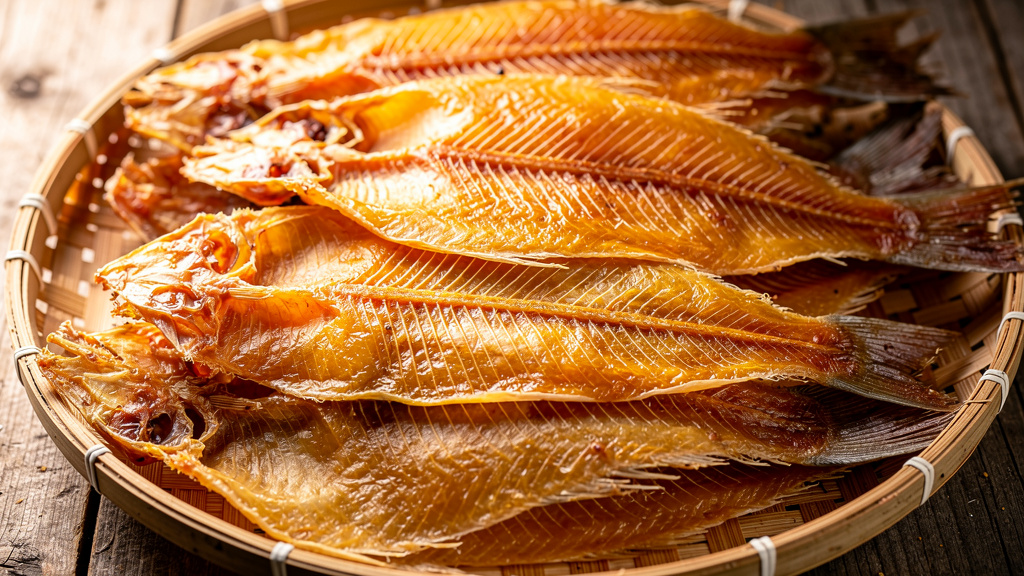
If Taboan Public Market had a king, it would be danggit. This dried rabbitfish, split open, deboned, salted, and sun‑dried, is the main reason many people visit this part of Cebu in the first place. The combination of flavor, price, and wide choice makes Taboan feel like the center of the Cebu danggit market.
Most of the best danggit sold in Taboan Public Market Cebu comes from Bantayan Island at the northern tip of the province. Fisherfolk there have spent generations perfecting the drying process, spreading the fish under the sun at the right time and salting them just enough for taste and preservation. When these baskets of dried fish reach Taboan Market, vendors sort them by size and quality so buyers can pick what fits their budget.
Several types of danggit line the stalls, so it helps to know the basic varieties before shopping:
- Traditional salted danggit is the classic choice and the one many older Cebuanos grew up eating. When fried, it turns golden and crispy, with a salty punch that pairs perfectly with rice and vinegar sauce.
- Unsalted or low‑salt danggit is popular with health‑minded buyers or anyone watching sodium intake. The taste is milder, and some people like to season it themselves while cooking.
- Tocino‑style danggit sits in a reddish marinade that gives a sweet and savory flavor. The sugar in the mix caramelizes in the pan, creating crispy edges that many kids and first‑timers enjoy.
- Tapa‑style danggit uses a soy‑ and garlic‑based mix with pepper notes. The taste is closer to beef tapa, which makes it a fun option for those who want something different but still familiar.
A few simple checks help you pick good quality danggit even on your first visit to Taboan Public Market Cebu:
- Look for pieces with fairly even size and color, without too many dark or burned‑looking spots. This often signals better handling and more even drying.
- The flesh should feel firm when you bend it slightly, not crumbly or powdery. Overly brittle fish may be too old or dried for too long.
- A clean, briny smell is a good sign, while a sour or overly sharp odor suggests the stock has been stored too long. Do not be shy to step closer and take a careful sniff.
- Ask the vendor when that batch arrived at Taboan Public Market. Fresher deliveries normally sell faster, but it still helps to hear which pile came in that same week.
For 2026, the danggit price in Taboan Market still stays friendly compared with supermarkets and airport kiosks. Standard salted varieties usually range from ₱400–₱500 per kilo, with larger, more even pieces at the higher end. Quarter‑kilo packs fall around ₱100–₱125, while half‑kilo bags land between ₱200–₱250. Flavored tocino or tapa‑style versions often cost ₱50–₱80 more per kilo, but stalls may give a small cut in price when you buy more than two kilos at once.
Cebuanos often eat danggit as part of a classic breakfast called “dan‑si‑log” which means danggit, garlic fried rice, and egg on one plate. At home, we heat a thin layer of oil in a pan over medium‑high fire and fry each piece for 2–3 minutes per side until crisp. A simple dipping mix of vinegar, garlic, onion, and chopped chili balances the salt and brings out the fish flavor.
For storage:
- Keep danggit in a cool, dry part of the kitchen or in the refrigerator if you will use it within 2–3 weeks.
- For longer keeping, place sealed packs in the freezer, where they hold well for up to three months.
This long shelf life is one more reason danggit from Taboan Public Market remains a favorite pasalubong across the country.
Other Dried Seafood And Delicacies At Taboan
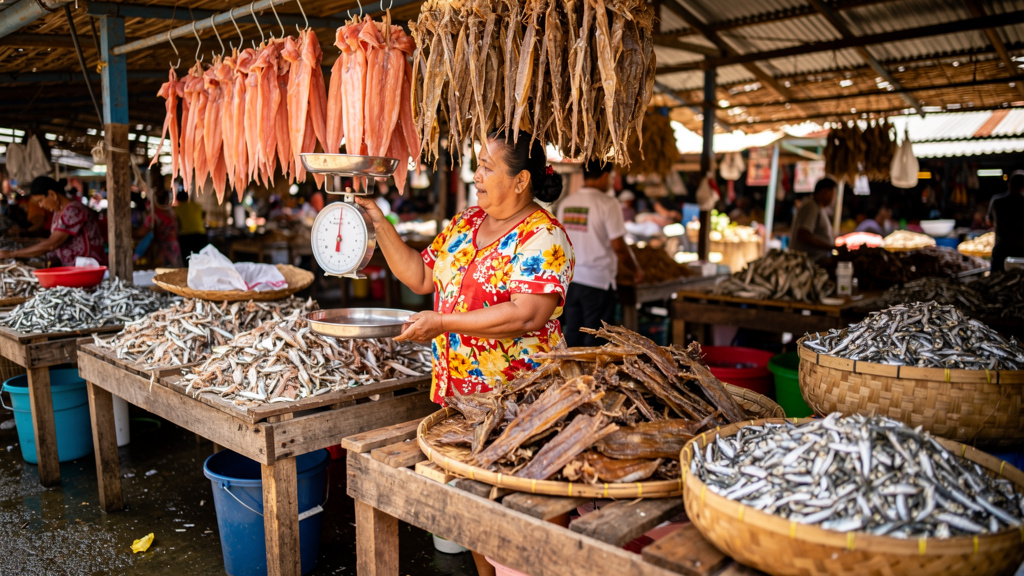
While danggit is the star of Taboan Public Market Cebu, the supporting cast is just as interesting. Walking through the aisles, we see rows of other dried seafood, plus sweet snacks and baked treats that round out any pasalubong haul. Exploring these stalls lets you match gifts to different tastes at home.
Dried squid, or pusit, is the second big draw in this dried fish market in Cebu. Whole squid of many sizes hang or lie flat in trays, waiting to be fried or grilled. At around ₱480 per kilo, it is not the cheapest item, but the chewy, slightly sweet flavor makes it popular as a snack with drinks or as a side to rice. When buying, choose pieces that look evenly flattened and well dried, without overly dark or sticky patches.
Dried anchovies, known locally as bolinao, are tiny silver fish that turn into crunchy bites once deep‑fried. At roughly ₱280 per kilo, they give strong flavor for a modest price and stretch well when mixed into dishes. Many households sprinkle fried bolinao over garlic rice or mix it with tomatoes and vinegar for a simple meal.
Dried herring, often called tambay in the stalls, is the budget hero of Taboan Public Market. At about ₱180 per kilo, it allows first‑timers to try Cebu‑style buwad without spending too much at once. The fish has a stronger, more rustic taste compared with danggit, which many locals enjoy with plenty of rice and a spicy dipping sauce.
Flavored dried fish also shows up in many displays, offering another way to enjoy seafood pasalubong:
- Tapa‑style dried fish, at around ₱300 per kilo, uses a savory soy and garlic mix that fans of beef tapa recognize instantly.
- Tocino‑style dried fish at roughly ₱440 per kilo gives a sweet, sticky glaze when fried, which children and anyone with a sweet tooth often prefer.
Taboan Market is more than a Cebu danggit market because the non‑fish pasalubong section is wide. Here, you find chewy dried mangoes usually priced between ₱250 and ₱350 per kilo, often in branded resealable packs. Otap, the flaky oval sugar‑topped biscuit, comes in boxes from makers like Shamrock or Titay’s, with most packs falling in the ₱80–₱150 range. Rosquillos from Argao, chicharon, local peanut snacks, and other sweets fill the shelves and give options for people who might not love strong dried fish aromas.
When planning a shopping list at Taboan Public Market Cebu, many of our guests set about 60–70% of their budget for buwad and the rest for sweets and baked goods. That way, the more adventurous eaters at home get danggit or pusit, while kids and office mates receive safer gifts like dried mangoes and otap. With prices lower than in malls, this simple mix makes everyone happy without breaking the trip budget.
Complete Price Guide: Taboan Market 2026
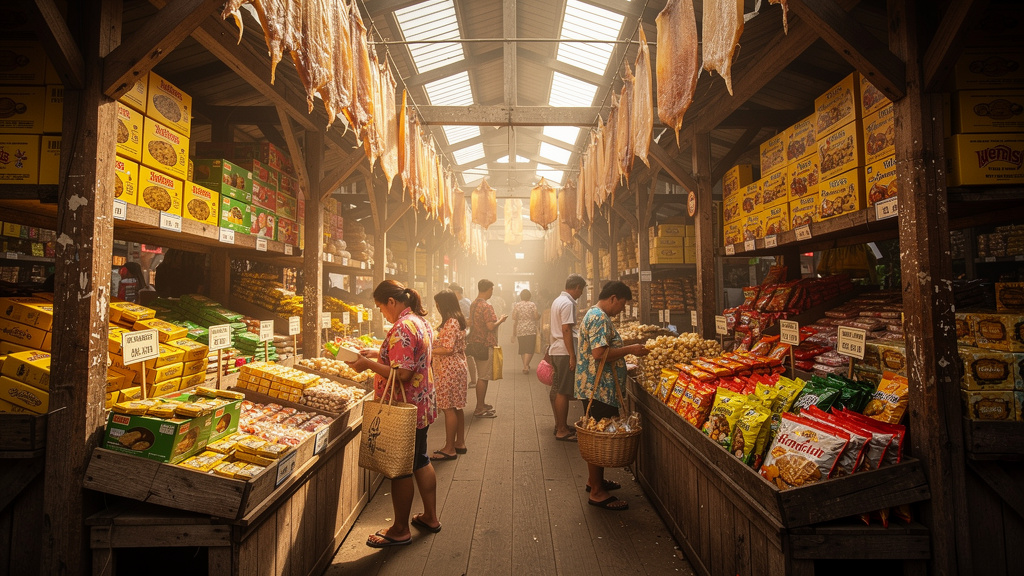
One of the first questions guests ask us is about fair Taboan market prices for dried fish and other pasalubong. To make planning easier, we put together this simple 2026 guide based on recent visits to Taboan Public Market and feedback from our front desk team and guests.
| Product | Price per kilo (₱) | Quarter kilo (₱) | Notes |
|---|---|---|---|
| Danggit traditional | 400–500 | 100–125 | Price varies by fish size |
| Danggit tocino or tapa | 450–550 | 115–140 | Flavored varieties |
| Dried squid pusit | 480 | 120 | Several sizes available |
| Dried anchovies bolinao | 280 | 70 | Small and crispy |
| Dried herring tambay | 180 | 45 | Best for tight budgets |
| Tapa style dried fish | 300 | 75 | Savory soy garlic taste |
| Tocino style dried fish | 440 | 110 | Sweet cured, good for kids |
| Dried mangoes | 250–350 | 65–90 | Quality and brand differ |
| Otap per pack | 80–150 | N A | Price depends on brand |
Keep in mind that Taboan Public Market is still a real working market, so numbers move up or down with season and daily catch. These 2026 figures give a starting point when comparing stalls and checking the danggit price in Taboan Market.
Important notes
- Prices can go higher during December, January, and Holy Week, when demand for Taboan pasalubong center goodies rises sharply.
- The same product may cost a bit less at inner stalls than at the first stalls near the entrance.
- Vendors often give discounts when you buy two kilos or more of one item or mix several kinds of dried fish.
- Rates in Taboan Public Market are usually 30–50% lower than supermarket shelves or airport souvenir shops.
- It helps to ask the price clearly before the vendor starts packing, to avoid any confusion at the scale.
Budget planning
- Light tasting trips where you only buy a small pack of danggit and a few sweets usually fall between ₱500 and ₱1,000.
- Moderate pasalubong shopping for one household and a few friends often ranges from ₱1,500 to ₱2,500.
- Big family shopping or bulk buys for offices and neighbors can reach ₱3,000 to ₱5,000 or more, though this still stretches farther here than in malls.
Shopping Tips: How To Navigate Taboan Like A Local
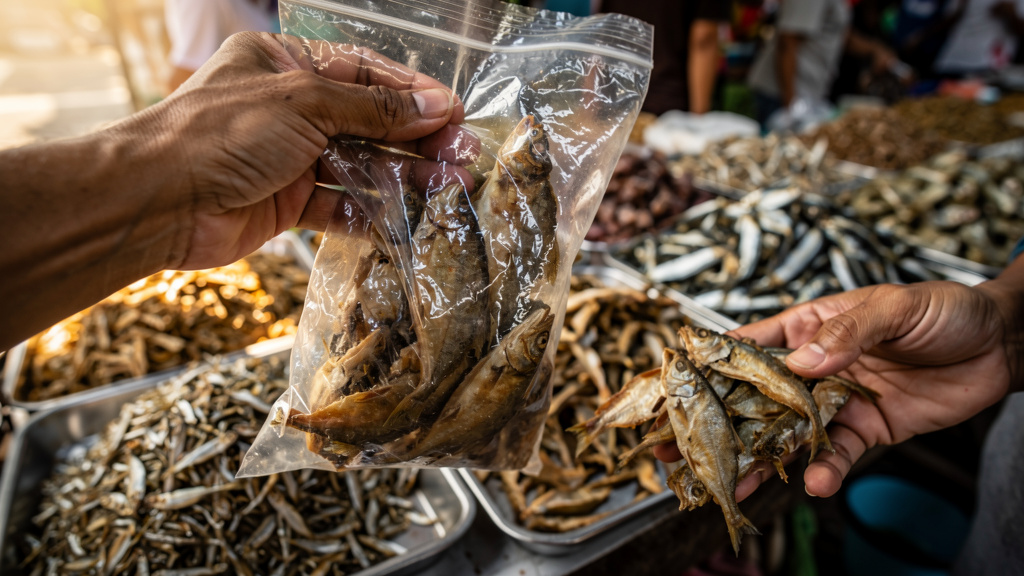
A first walk through Taboan Public Market can feel busy and intense, especially if the dried fish smell is new. With a bit of planning, the trip becomes fun, smooth, and full of good finds. These simple habits are what we follow when we go from Southpole Central Hotel to buy pasalubong for our own families.
As many travel guides like to say, “Visit the market and you’ll feel how a city really lives.”
What to wear
- Light, breathable clothes keep you comfortable while moving between warm, crowded aisles. Cotton shirts and shorts or thin pants work better than thick fabrics.
- Closed shoes or sturdy sandals help protect your feet from puddles and uneven floors. Pick a pair you do not mind getting sandy or slightly wet.
- A small cross‑body bag keeps your money and phone close to you. Backpacks take more space and are harder to watch in tight spaces.
- Leave expensive watches and jewelry in your hotel room safe. Simple outfits blend in better in a public market setting.
- Choose clothes you do not mind smelling a bit like fish afterward. Many guests drop their market clothes straight into the laundry bag back at the hotel.
Cash and change
- Cash still rules in Taboan Public Market Cebu, especially for dried fish stalls. A few sellers now accept GCash, but it is safer not to depend on it.
- Bring a mix of bills like twenties, fifties, hundreds, and one five‑hundred. Small notes make it easier to pay exact amounts.
- Early in the morning, some vendors may not have change for one‑thousand‑peso bills. Breaking large notes before you go saves time.
Haggling tips
- Bargaining is part of the fun at this dried fish market in Cebu, and vendors expect a bit of back and forth. Keep your tone light and friendly.
- Start by asking “Pila ni?” with a smile, then follow with “Pwede pabawas?” if you plan to buy more than a small sample. This shows interest without sounding rude.
- As a simple rule, you can try asking for around 10% less than the first quote, then meet in the middle. Bigger discounts are easier when you buy two kilos or more.
- If the price still feels high, thank the vendor and slowly step away. Many times they will call you back with a slightly better offer.
Handling the smell and staying safe
The dried fish aroma in Taboan Public Market Cebu is very strong and stays on hair and clothes. Some sensitive guests put a little menthol under the nose or wear a light mask while walking between stalls. We always suggest visiting Taboan before heading to fancy restaurants or meetings, not the other way around. Back at Southpole Central Hotel, a quick shower and change of clothes removes most of the scent.
In terms of safety, the market is busy but generally safe during the day, with families and regular shoppers all around. Just keep your bag zipped and close to your body, avoid waving large amounts of cash, and stay aware in the thickest crowds. First‑timers often feel more relaxed going with a friend or family member, and our front desk can also share the latest local tips.
Packing for travel
When you finish shopping, ask vendors to double‑bag or vacuum‑seal your purchases for a small extra fee. At the hotel, wrapping the sealed packs in several layers of newspaper and placing them in the center of your suitcase, surrounded by clothes, helps control the smell. Airlines usually allow dried fish in checked luggage but not in carry‑on bags, so it is wise to pack them in your big suitcase and check any special rules for your home country.
Frequently Asked Questions
Visitors staying at Southpole Central Hotel often ask similar things before heading to Taboan Public Market. Here are clear answers that match what we see on actual trips and what regular shoppers share with us.
Q What is Taboan Market famous for
Taboan Public Market is known across Cebu as the dried fish capital of the city and the main pasalubong hub. Its biggest star is danggit, the dried rabbitfish that mostly comes from Bantayan Island. Many people also like it because Taboan market prices are 30–50% lower than mall and airport shops.
Q What time does Taboan Market open and close
Taboan Public Market opening hours start before sunrise, around 4 AM, and stalls usually wind down near 8 PM. The whole place is open seven days a week, even on most holidays. We find that weekday mornings between 6 and 9 AM give the best mix of fresh stock and smaller crowds.
Q How much does danggit cost at Taboan
For 2026, regular danggit at Taboan Public Market normally costs between ₱400 and ₱500 per kilo. Smaller quarter‑kilo packs run about ₱100–₱125. Flavored tocino or tapa‑style danggit may add ₱50–₱80 per kilo, but you still save a lot compared with supermarkets.
Q How do I get to Taboan Market
From Southpole Central Hotel on 29 Junquera Street, most guests ride a tricycle for about fifteen minutes, paying ₱50–₱80. A taxi or Grab car cuts the time to around ten minutes, with fares in the ₱60–₱90 range. From Colon Street, you can also ride an Alumnos‑bound jeepney, tell the driver “Taboan,” then walk a short distance near Cebu City Medical Center.
Q Can I bring dried fish on an airplane
Yes, you can bring dried fish from Taboan Public Market Cebu on flights as long as it is packed in checked luggage and sealed well. We suggest asking vendors for vacuum sealing, then wrapping the bags tightly in newspaper and adding another plastic layer. Before your trip, it also helps to check airline and destination customs rules, especially for international flights.
Q Is Taboan Market safe
During daytime hours, Taboan Public Market feels busy but generally safe, with families, students, and office workers all shopping in the same space. Basic common sense still matters, like keeping your bag zipped and not flashing stacks of money. Many guests feel more relaxed going in pairs on their first visit, then return confidently on their own the next day.
Q Do vendors accept GCash at Taboan
Some newer stalls near the front accept GCash or PayMaya, but most dried fish vendors still prefer cash. To avoid stress, it is better to treat the market as cash‑only and bring enough bills. Small denominations like twenties, fifties, and hundreds work best when splitting payments across many stalls.
Q What else can I buy at Taboan besides dried fish
Aside from danggit and other dried seafood, Taboan Public Market offers dried mangoes, otap, rosquillos, chicharon, and a variety of local sweets. There are also sections for fresh produce, meat, and regular household items, since this is a full public market. Many guests combine fish for close family with sweet pasalubong for office mates or neighbors.
Visit Taboan Market From Southpole Central Hotel
Staying at Southpole Central Hotel puts Taboan Public Market Cebu almost at your doorstep. From our front door on 29 Junquera Street, a short tricycle ride brings you straight to the dried fish stalls in about fifteen minutes, even with morning traffic. Our front desk staff can help you choose whether tricycle, taxi, or jeepney fits best based on the time of day and your budget.
After shopping, you can return to your room to store pasalubong bags safely, freshen up, and change clothes before the next part of your trip. If you need ice, extra plastic, or newspaper for packing, just call the front desk and we will do our best to assist. To plan a Cebu stay that includes an easy visit to Taboan Public Market, call us at landline number (032) 234 7777 or check our rooms and rates page online for current offers.
Conclusion
For anyone who loves food, culture, or simple bargain hunting, Taboan Public Market is one of the most memorable stops in Cebu City. The strong smell, noisy aisles, and colorful piles of danggit and other buwad show a side of daily life that air‑conditioned malls never match. At the same time, Taboan market prices for dried fish, dried mangoes, and otap help every pasalubong budget go much farther.
By knowing the Taboan Public Market address, opening hours, common 2026 price ranges, and basic haggling lines, first‑time visitors can walk in with confidence. A little planning also makes it easy to pack dried fish for flights and to separate gifts for family, friends, and office mates. The market rewards curious shoppers who are ready to look closely, compare stalls, and chat briefly with vendors.
From Southpole Central Hotel, weaving a quick or even repeated visit to Taboan into your Cebu stay is simple. Our central location, friendly staff, and comfortable rooms give you a clean base to return to after the salty air of the market. When the craving for crispy danggit or the urge to buy last‑minute pasalubong hits, Taboan Public Market is just one short ride away.
Shopping at Taboan?
We are a few minutes away.
Southpole Central Hotel is on Junquera Street in downtown Cebu, close to Taboan, Carbon Market and Colon Street. Buy your danggit in the morning and walk back with it.
Rooms are ₱999 a night for two, or ₱1,099 with breakfast. 29 Junquera Street, Barangay Kamagayan, downtown Cebu City — five minutes on foot from Colon Street. Front desk open 24 hours. See Rooms & Rates